Signs that are often linked with tennis elbow
People with tennis elbow commonly describe:
- pain or tenderness on the bony bump on the outside of the elbow, or just below it
- pain when gripping, shaking hands, lifting a cup or kettle, or turning a doorknob
- an ache that spreads down the back of the forearm
- a weaker grip than usual
- symptoms that came on gradually, often after a period of repetitive work, a new hobby or more sport
Our guide to tennis elbow symptoms and causes covers these in more detail.
Signs that suggest something else
Some symptoms are not typical of tennis elbow and may point to a different or additional problem:
- numbness, tingling or pins and needles in the hand or fingers
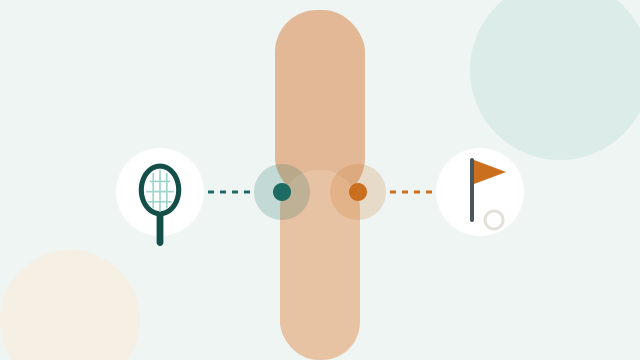
- pain mainly on the inner side of the elbow (see tennis elbow vs golfer's elbow)
- severe swelling, bruising, redness, warmth or a lump
- pain that started suddenly after a fall or injury
- stiffness, locking or difficulty straightening the elbow
- neck pain with symptoms travelling down the arm
Read more in can tennis elbow cause shoulder, wrist or hand pain?
What happens at an appointment
Cleveland Clinic notes that tennis elbow is diagnosed through a physical exam and your history. OrthoInfo says doctors consider your symptoms, work and sports activities, any past elbow injuries, and conditions such as rheumatoid arthritis or nerve disease. A physical exam may include:
- Pressing gently on the bony bump on the outer elbow to check for tenderness.
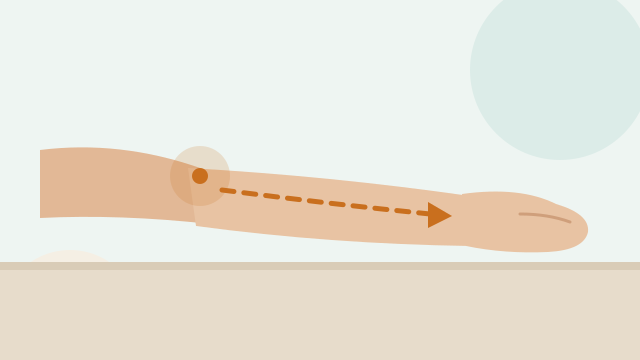
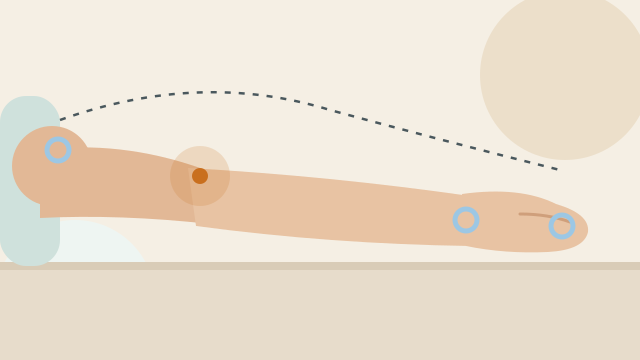
- Resisted movement tests, such as straightening your wrist and fingers against resistance with your arm straight. MedlinePlus notes that pain near the elbow when the wrist is bent backward against resistance is a common finding.
- Checks for other causes, such as problems in the neck or nerves.
Online "tennis elbow tests" and quizzes may show you what clinicians look for, but they can't confirm a diagnosis. Pain during a self-test doesn't rule other conditions in or out.
Do you need an X-ray or MRI?
Not always. A clinician may suggest tests to check for damage or to rule out other conditions. Cleveland Clinic lists X-ray, ultrasound, MRI and EMG as tests that may be used.
| Test | How it may be used |
|---|---|
| X-ray | To rule out arthritis of the elbow (OrthoInfo). |
| Ultrasound | To create images of the elbow and check for damage (Cleveland Clinic). |
| MRI | To show soft tissues and assess tendon damage. An MRI of the neck may be ordered if a neck problem is suspected (OrthoInfo). |
| Nerve tests (EMG) | To rule out nerve compression, which can cause symptoms similar to tennis elbow (OrthoInfo). |
What type of doctor treats tennis elbow?
Several types of healthcare professionals see people with tennis elbow:
- Primary care clinicians (family doctors, internists, nurse practitioners and physician assistants) are a common first stop and can refer you on if needed.
- Physical therapists assess movement and strength and design exercise programs. The American Physical Therapy Association reports that all 50 states allow some form of direct access to physical therapists without a referral, though some states still limit treatment without one. Your insurance plan may have its own rules.
- Sports medicine physicians focus on muscle, tendon and joint problems, whether or not you play sports.
- Orthopedic specialists, including hand and upper-limb surgeons, see more complex or long-lasting cases.
- Physiatrists (physical medicine and rehabilitation doctors) focus on non-surgical care of musculoskeletal problems.
If you're not sure where to start, a primary care clinician is usually a reasonable first step. Check your insurance plan for referral requirements.
When to make an appointment
Cleveland Clinic suggests seeing a provider if pain lasts more than a week, if you have significant swelling or discoloration, difficulty moving your arm, or severe pain that affects daily activities or sleep, or if you have nerve-related symptoms such as numbness. The NHS suggests seeing a GP if pain continues after at least 2 weeks of rest and self-care. Seek prompt care after a fall or injury, or if you have a hot, red elbow or fever.
Frequently asked questions
How do I know if I have tennis elbow?
Tennis elbow is commonly linked with pain on the outer elbow that gets worse with gripping and lifting. Other conditions can feel similar, so a qualified healthcare professional is the best person to assess your symptoms.
What type of doctor treats tennis elbow?
Primary care clinicians, physical therapists, sports medicine physicians, physiatrists and orthopedic specialists all treat tennis elbow. A primary care clinician is often a good first step.
Does tennis elbow show up on an X-ray?
X-rays are mainly used to rule out other problems, such as arthritis. If imaging of the tendon is needed, a clinician may use ultrasound or MRI, which show soft tissues.
Sources
We checked this article against the following pages on October 22, 2026. Read how we write our guides.
- Tennis Elbow (Lateral Epicondylitis) (opens in a new tab). Cleveland Clinic.
- Tennis elbow (opens in a new tab). NHS.
- Tennis elbow (opens in a new tab). MedlinePlus Medical Encyclopedia, U.S. National Library of Medicine.
- Tennis Elbow (Lateral Epicondylitis) (opens in a new tab). OrthoInfo, American Academy of Orthopaedic Surgeons.
- Direct Access Advocacy (opens in a new tab). American Physical Therapy Association.