How long to wear a tennis elbow brace each day
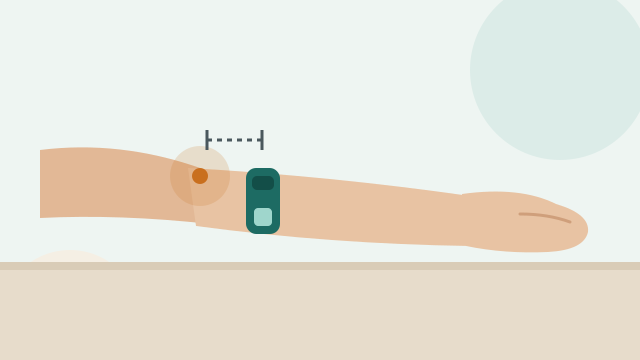
MedlinePlus describes counterforce braces as wrapping around the upper forearm to reduce strain on the muscles, and OrthoInfo says they help rest the tendons. That is why many people wear them during activities that load the forearm. Cleveland Clinic's advice for the similar condition golfer's elbow is to wear a forearm brace while working or playing sports. Typical activities include:
- sport, including tennis, pickleball and golf
- lifting, carrying and household chores
- manual work, DIY and gardening
- long sessions of typing or mouse work, if these bring on your pain
Many people put the strap on just before the activity and take it off afterwards. That might be an hour for a game of tennis or a few hours spread across a working day. If you're not sure, ask your clinician how long to wear it for your situation.
For correct placement, see our guide on how to wear a tennis elbow brace.
Should you wear it all the time?
The major medical sources we checked don't recommend wearing a counterforce strap all day and night, and many product instructions describe wearing it during activity. Some things to keep in mind:
- constant pressure can irritate the skin or, if the strap is too tight, press on nerves in the forearm
- the strap is designed to reduce strain while the muscles are working, so it's less useful while you're resting
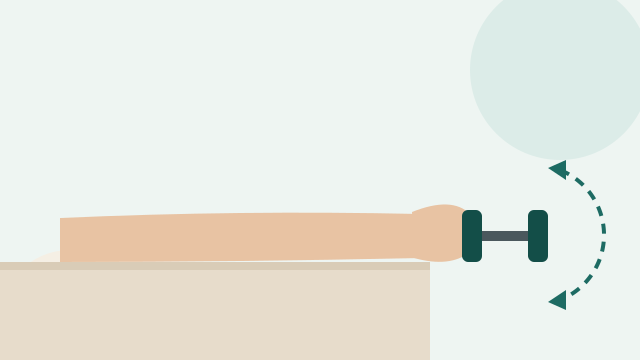
- a brace works alongside strengthening exercises, not instead of them
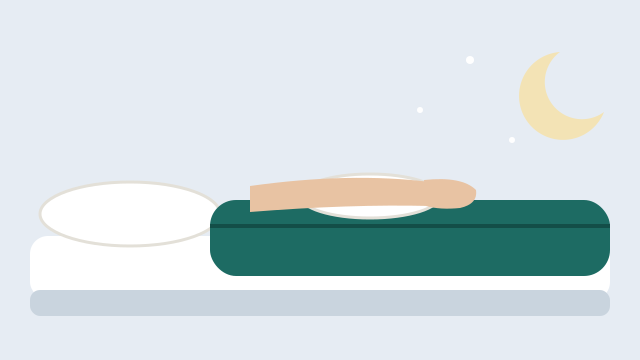
Check your strap's instructions before wearing it in bed. If night pain is a problem, read our guide on how to sleep with tennis elbow.
How many weeks should you keep using it?
There is no fixed timeline. Many people use a strap for the weeks or months when certain activities are painful, then gradually use it less as symptoms improve and strength returns. Some keep one for occasional heavy tasks or sport. Gradually reducing your use while continuing your exercise program is a common approach.
How tight should a tennis elbow brace be?
A strap should feel snug and secure, like a firm handshake, not painful. A few simple checks:
- Tighten it while your forearm muscles are relaxed.
- When your arm is relaxed, you should be able to slide a finger under the strap.
- Make a fist. The strap should feel firmer as the muscle tightens underneath it.
- Loosen or remove it straight away if your hand tingles, goes numb, feels cold, changes color or swells.
A brace should not make your pain worse. If it does, stop using it and check the placement and fit, or ask a clinician to look at it.
Do compression sleeves work for tennis elbow?
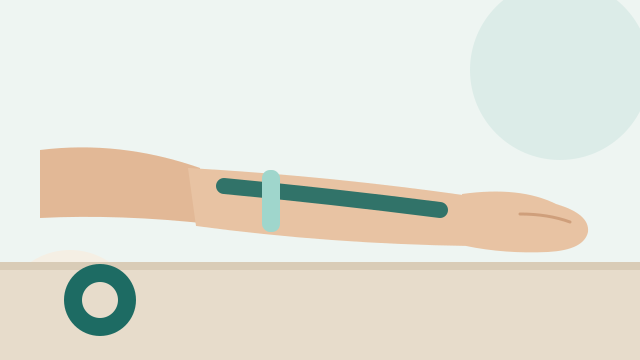
Elbow compression sleeves cover the whole elbow and part of the forearm. Some people like the warmth and general support they provide. They apply gentle pressure over a wide area rather than the targeted pressure of a counterforce strap. The NHS lists "a forearm strap or a wrist or elbow brace" among self-help options, but we didn't find strong evidence specifically for compression sleeves in the sources we checked.
| Counterforce strap | Compression sleeve | |
|---|---|---|
| Pressure | Targeted, just below the elbow | Gentle, over the whole area |
| Main reason people use it | Relief during gripping and lifting | Warmth, comfort and support |
| When it's worn | During activity | During activity, sometimes for longer periods |
| Things to watch | Fit and tightness | Correct size, so it isn't too tight or bunched |
Some products combine a sleeve with a strap. If you choose a sleeve, measure your arm and follow the maker's size chart. Wearing a sleeve on both arms is unnecessary unless both are affected.
Copper sleeves, wrist braces and slings
- Copper-infused sleeves: we found no good evidence that copper itself helps tendon pain. Any benefit people notice may come from the compression.
- Wrist braces: the NHS lists wrist braces among self-help options, and MedlinePlus mentions a wrist support as one aid for computer-related tennis elbow.
- Slings and casts: fully immobilizing the arm is not among the tennis elbow treatments listed by the sources we checked. Use them only if a clinician recommends it.
Frequently asked questions
How long should I wear a tennis elbow brace each day?
Counterforce straps are designed to reduce strain on the forearm muscles, so many people wear them during activities that bring on pain, such as sport, lifting or repetitive work, and take them off afterwards. Follow the product instructions and any advice from your clinician.
Should I wear my tennis elbow brace all the time?
The medical sources we checked don't recommend wearing a strap all the time, and constant pressure can irritate the skin or nerves. Many people wear it only during aggravating activities. Check your product's instructions.
Do compression sleeves work for tennis elbow?
Some people find compression sleeves comfortable and supportive, but they give less targeted pressure than a counterforce strap, and we didn't find strong evidence for them in the sources we checked. Results vary from person to person.
Sources
We checked this article against the following pages on October 22, 2026. Read how we write our guides.
- Tennis elbow (opens in a new tab). NHS.
- Tennis elbow (opens in a new tab). MedlinePlus Medical Encyclopedia, U.S. National Library of Medicine.
- Tennis Elbow (Lateral Epicondylitis) (opens in a new tab). OrthoInfo, American Academy of Orthopaedic Surgeons.
- Golfer's Elbow (Medial Epicondylitis) (opens in a new tab). Cleveland Clinic.