Ice or heat: which is better?
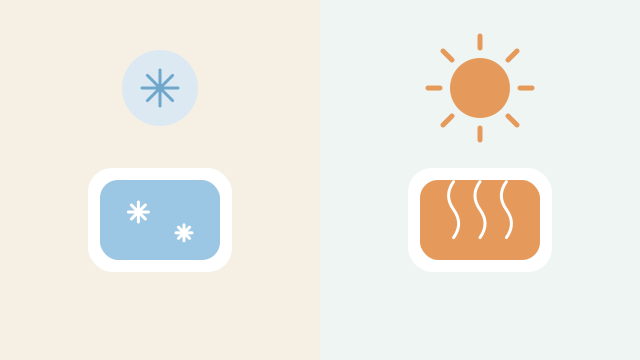
For tennis elbow, the NHS suggests a hot or cold pack, wrapped in a towel, so either is reasonable. MedlinePlus recommends ice applied to the outer elbow. Cleveland Clinic's general guidance on pain is that ice is typically better for fresh injuries or new aches, while heat suits lingering problems and stiffness. It also notes that for tendinosis, heat helps only once inflammation has settled. A common pattern is:
| Ice (cold) | Heat | |
|---|---|---|
| When people often use it | After an activity that aggravated the elbow, or during a painful flare-up | Before activity or exercise, or when the forearm feels stiff and tight |
| How it may feel | Numbing, which can dull pain for a while | Relaxing, which can ease muscle tension |
| Common forms | Gel packs, bags of frozen peas, ice in a damp towel, cold wraps | Microwaveable packs, heating pads, warm towels, warm showers |
If one makes you feel better, it's reasonable to use that one. If either makes your pain worse, stop. Some reusable wraps can be used both hot and cold.
How to ice tennis elbow
- Wrap the ice pack in a thin cloth or towel. Don't put ice directly on the skin.
- Place it over the most painful area on the outer elbow and upper forearm.
- Apply it for up to 15 to 20 minutes. MedlinePlus suggests 15 minutes, and the NHS says up to 20 minutes. Cleveland Clinic notes that 10 to 15 minutes is often enough and advises never going past 20.
- Check your skin during the session. Cleveland Clinic advises stopping if the skin turns red or pale, or if you feel itching, prickling or tingling.
- Never fall asleep with an ice pack on.
How often can you ice?
MedlinePlus suggests icing 2 to 3 times a day, and the NHS suggests a pack every 2 to 3 hours. Cleveland Clinic recommends leaving at least one to two hours between icing sessions.
How to use heat for tennis elbow
- Use a warm, not hot, heat source. Follow the product's heating instructions carefully.
- Place a cloth layer between the heat source and your skin.
- Keep sessions under 20 minutes (Cleveland Clinic), and remove the heat if the area becomes uncomfortably warm.
- Never fall asleep on a heating pad, and don't use heat with menthol or "warming" creams, which can irritate or burn the skin.
Some people find gentle heat helpful before their rehab exercises or first thing in the morning when the forearm feels stiff. A warm shower can do the same job.
Where to place the pack
Place the pack over the outside of the elbow, where it's tender, and the upper part of the forearm just below it. That's where the irritated tendons and the muscles they belong to sit. A wrap with a strap can keep the pack in place hands-free.
Safety tips
Take extra care, and talk to a clinician first, if you have reduced feeling in your arm (for example from neuropathy), Raynaud's syndrome, diabetes, circulation problems or a skin condition in the area. Cleveland Clinic notes that people with nerve damage may not notice over-icing, and that older adults and people who smoke may also be more sensitive. Don't use either over broken skin, and stop if you notice blistering, burning or unusual color changes.
Ice and heat are best seen as comfort measures alongside other parts of care. See our overview of tennis elbow treatment options, and our guide to sleeping with tennis elbow if night pain is a problem.
Frequently asked questions
Is heat or ice better for tennis elbow?
The NHS suggests either a hot or a cold pack for tennis elbow. As general guidance, Cleveland Clinic says ice is usually better for fresh aches and heat for lingering stiffness. Use whichever feels more comfortable, and stop if either makes pain worse.
How long should you ice tennis elbow?
MedlinePlus suggests about 15 minutes, 2 to 3 times a day, and the NHS says up to 20 minutes. Always use a cloth between the ice and your skin, and never go past 20 minutes at a time.
Should you ice tennis elbow?
MedlinePlus and the NHS both include cold packs in self-care for tennis elbow. Ice is used for pain relief rather than healing, so it's usually combined with other care such as activity changes and exercise.
Sources
We checked this article against the following pages on October 22, 2026. Read how we write our guides.
- Tennis elbow (opens in a new tab). NHS.
- Tennis elbow (opens in a new tab). MedlinePlus Medical Encyclopedia, U.S. National Library of Medicine.
- Ice vs. Heat: Which Is Better for Your Pain? (opens in a new tab). Cleveland Clinic Health Essentials.
- How Long Should You Ice an Injury? (opens in a new tab). Cleveland Clinic Health Essentials.