Can you lift weights with tennis elbow?
It depends on how irritated your elbow is. OrthoInfo lists weightlifting among the repetitive activities linked with tennis elbow, and Cleveland Clinic includes regularly lifting more than 45 pounds among its risk factors. Standard advice from the NHS and MedlinePlus is to rest from, or modify, the activities that make symptoms worse. For some people that means lighter weights and different grips. For others it may mean pausing upper-body training for a while and focusing on other areas.
Because every elbow is different, it is worth asking a physical therapist or sports medicine clinician what is appropriate for you, especially if you lift heavy or train competitively.
General principles for training
- Reduce the load first. Lighter weights and fewer sets are a common starting point.
- Relax your grip. Squeezing the bar as hard as possible works the forearm muscles involved in tennis elbow. Some lifters use lifting straps for pulling exercises to reduce grip demand.
- Experiment with grip position. Some people find a neutral grip (palms facing each other) more comfortable than palms down. Others find the opposite. Notice what your elbow tolerates.
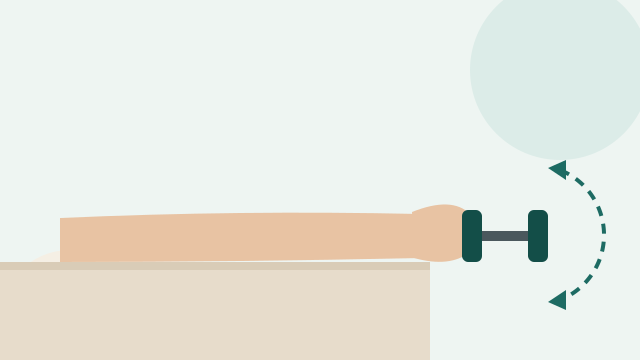
- Keep the wrist roughly straight. Letting the wrist bend backwards under load can increase strain.
- Pay attention to how your elbow responds. Sharp pain during a lift, or symptoms that are worse the next day, are signs to scale back. Ask a physical therapist what level of discomfort is acceptable for you.
- Progress slowly. Add weight in small steps once an exercise feels comfortable for several sessions.
Common exercises and possible changes
The table below shows exercises that people with tennis elbow often find aggravating, and changes some people try. These are general ideas, not a program.
| Exercise | Why it may hurt | Changes some people try |
|---|---|---|
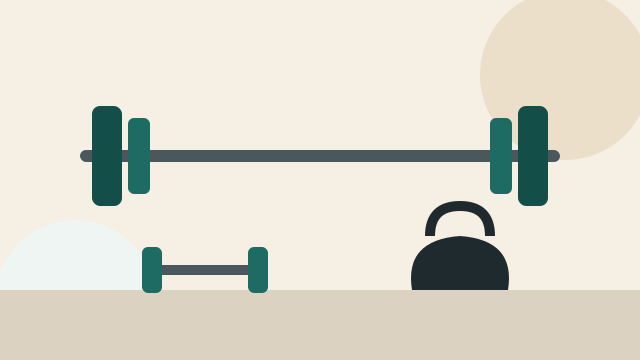
| Deadlifts, rows and pull-ups | Heavy, sustained grip | Lighter load, lifting straps, neutral-grip handles, machine rows |
| Reverse curls and wrist extensions | Directly load the outer forearm muscles | Reduce or pause, or follow a clinician-guided rehab version |
| Barbell biceps curls | Fixed wrist position and grip | Dumbbells or cables, lighter weight, different grip angles |
| Triceps extensions and pushdowns | Grip and wrist position on bars or ropes | Try different attachments, reduce load, keep wrists neutral |
| Overhead and bench pressing | Gripping and wrist bending under heavy load | Dumbbells with a neutral grip, lighter weight, machines |
| Farmer's carries and kettlebell work | Long periods of tight gripping | Shorter carries, lighter loads, or pause until symptoms settle |
Stretching and strengthening exercises for the forearm are a standard part of physical therapy for tennis elbow, according to OrthoInfo and MedlinePlus. Our tennis elbow exercises guide describes commonly used ones, and the exercise videos on our home page link to demonstrations from other creators.
Push-ups, bench press and dips
Push-ups load the wrist in a bent-back position, which some people with tennis elbow find uncomfortable. Changes that may help include:
- doing push-ups on your fists, on push-up handles or on dumbbells to keep the wrists straighter
- raising your hands on a bench or wall to reduce the load
- reducing the number of repetitions per set
For bench press, a slightly narrower grip, a lighter weight or switching to dumbbells with palms facing each other may feel easier. Dips put a lot of load through the arms, so some people pause them until their elbow settles.
Lower body, core and cardio
Tennis elbow doesn't have to stop the rest of your training. Leg exercises using machines or a safety-squat bar, core work that doesn't need a tight grip, walking, running and stationary cycling are often easier to continue. Watch for exercises that sneak in heavy gripping, such as holding dumbbells for lunges or long planks on straight arms.
Supports such as a forearm strap or kinesiology tape are used by some people during training. See our brace guide for how straps are typically worn.
When to stop and get advice
Stop and get advice if you feel a sudden sharp pain or pop, have swelling or bruising, notice numbness or tingling, or your symptoms keep getting worse despite reducing your training.
Frequently asked questions
Can I lift weights with tennis elbow?
Many people can keep lifting with lighter loads and adjusted grips. Exercises that need a tight grip or bend the wrist backwards under load are common triggers. A physical therapist can help you decide what is appropriate.
Can I do push-ups with tennis elbow?
Some people can, especially with changes such as using push-up handles or fists to keep the wrists straighter, or doing incline push-ups to reduce the load. Stop if push-ups cause sharp or worsening pain.
What upper-body exercises can I do with tennis elbow?
Options vary from person to person. Machine-based exercises, neutral-grip dumbbell work, and exercises that don't need a tight grip are often better tolerated. A clinician can suggest options based on your symptoms.
Sources
We checked this article against the following pages on October 22, 2026. Read how we write our guides.
- Tennis Elbow (Lateral Epicondylitis) (opens in a new tab). Cleveland Clinic.
- Tennis elbow (opens in a new tab). NHS.
- Tennis elbow (opens in a new tab). MedlinePlus Medical Encyclopedia, U.S. National Library of Medicine.
- Tennis Elbow (Lateral Epicondylitis) (opens in a new tab). OrthoInfo, American Academy of Orthopaedic Surgeons.