Does taping help tennis elbow?
Cleveland Clinic reports that research suggests kinesiology tape may help relieve pain for some people with chronic muscle and joint pain, but that it is not any more effective than other treatments. It describes the relief as temporary, lasting "a couple of hours or maybe for a day", and advises against relying on tape alone. We didn't find tennis-elbow-specific guidance on taping in the major sources we checked. Taping is best seen as short-term comfort during activity, alongside other care such as guided exercises.
Cleveland Clinic also advises that kinesiology tape should be applied by a trained sports therapy professional, at least at first, because using it incorrectly could make pain worse.
Before you start
- Make sure the skin is clean and free of dirt, oil and sweat. Shaving longer hair helps the tape stick.
- Round the corners of each strip with scissors so they are less likely to peel.
- The adhesive can cause allergic reactions. Remove the tape straight away if your skin becomes irritated or itchy.
- Follow your tape's instructions on how long before activity to apply it.
Don't tape over broken, irritated or sunburned skin. Check with a clinician first if you have reduced sensation, circulation problems, diabetes, fragile skin or a known adhesive allergy.
How to apply kinesiology (KT) tape
The method below is one general approach. Exact techniques vary between therapists and brands, and the sources we checked don't give a tennis elbow taping technique, so a therapist's guidance is the safest way to start.
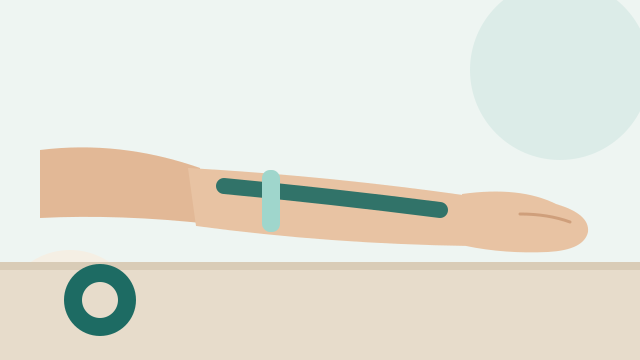
Strip 1: along the forearm
One long strip, light stretch- Straighten your elbow and bend your wrist down, with the palm facing the floor, so the muscles on the back of the forearm are gently stretched.
- Stick the first few centimetres of tape on the back of the forearm, just above the wrist, with no stretch.
- Lay the tape up the back of the forearm toward the outer elbow, using only a light stretch.
- Finish just above the bony bump on the outer elbow, laying the last few centimetres down with no stretch.
Strip 2: across the sore area
One short strip, moderate stretch in the middle- Relax your arm with the elbow slightly bent.
- Tear the backing paper in the middle of a short strip and stretch the center section gently.
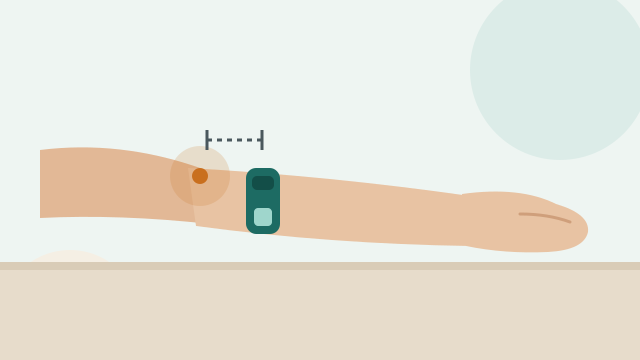
- Place the stretched middle across the forearm, a little below the most painful spot, roughly where a strap would sit.
- Lay both ends down with no stretch and rub the tape to set it.
The tape should feel supportive, not tight. If your hand tingles or the skin itches or burns, remove it.
How to use athletic tape
Rigid athletic tape is sometimes used to mimic a counterforce strap during a game or work session:
- Relax your forearm muscles.
- Wrap one or two strips of tape around the forearm, about two finger-widths below the painful spot on the outer elbow.
- Keep it snug but not tight. Leave a small gap or overlap rather than pulling hard.
- Make a fist to check. You should feel firm pressure, but no tingling or color change in the hand.
Because athletic tape doesn't stretch, it is usually removed after the activity. An underwrap layer can help protect sensitive skin.
How long to wear it and how to remove it
- Kinesiology tape: guidance varies. Some brands say their tape can be worn for several days, but a 2020 published guideline on kinesiology taping recommends a maximum of 24 hours, removing the tape after showering, and applying fresh tape each day. If in doubt, take the shorter option and follow your therapist's advice.
- Athletic tape is usually worn only for the activity.
- Remove tape slowly, holding the skin down and peeling in the direction of hair growth. Soaking the tape in baby oil or warm water first can make this easier.
- Give your skin a break between applications if it looks red or irritated.
Tape vs brace
| Kinesiology tape | Counterforce strap | |
|---|---|---|
| Feel | Light, flexible, low profile | Firmer, targeted pressure |
| Wear time | Varies. One guideline recommends no more than 24 hours. | On and off for each activity |
| Reusable | No | Yes |
| Skill needed | Best applied by a trained professional at first | Easy to adjust yourself |
Many people start with a strap because it's simple to use. See our brace guide and how long to wear a brace.
Frequently asked questions
Does KT tape help tennis elbow?
Cleveland Clinic says kinesiology tape may help some people with chronic muscle and joint pain, but it isn't more effective than other treatments and the relief is temporary. It's best used for short-term comfort alongside other care.
Where do you put KT tape for tennis elbow?
A common method uses one strip along the back of the forearm from just above the wrist to the outer elbow, and a second short strip across the forearm just below the painful spot. Techniques vary, so follow your tape's instructions or ask a physical therapist.
Is taping better than a brace for tennis elbow?
We didn't find evidence in the sources we checked that one is better than the other for tennis elbow. Tape is light and low-profile, while a strap is reusable and easy to adjust yourself. The right choice depends on your activities and comfort.
Sources
We checked this article against the following pages on October 22, 2026. Read how we write our guides.
- Can Kinesiology Tape Help Your Athletic Performance? (opens in a new tab). Cleveland Clinic Health Essentials.
- The Guidelines for Application of Kinesiology Tape for Prevention and Treatment of Sports Injuries (opens in a new tab). Healthcare (Basel), 2020, via PubMed Central.